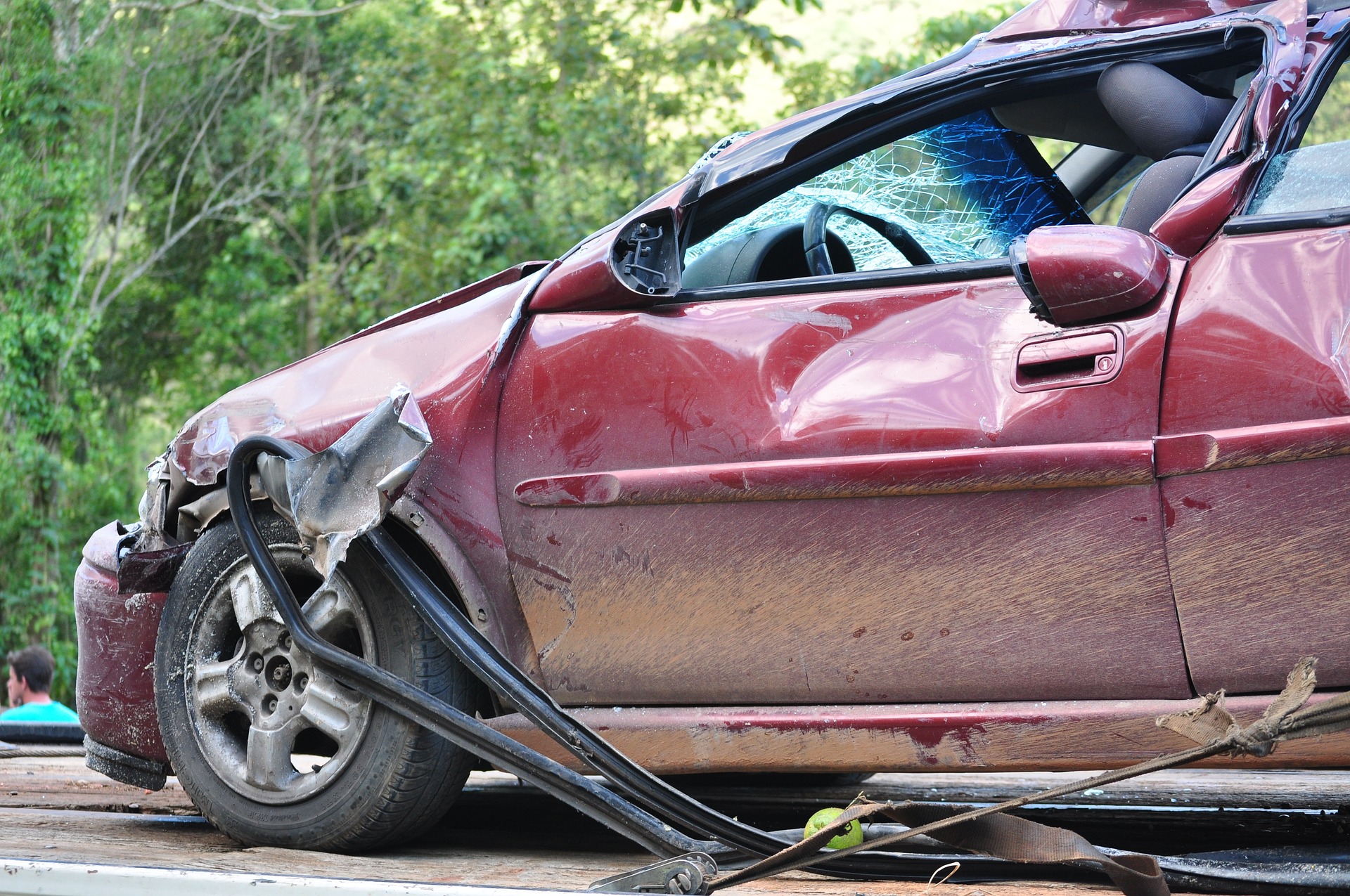
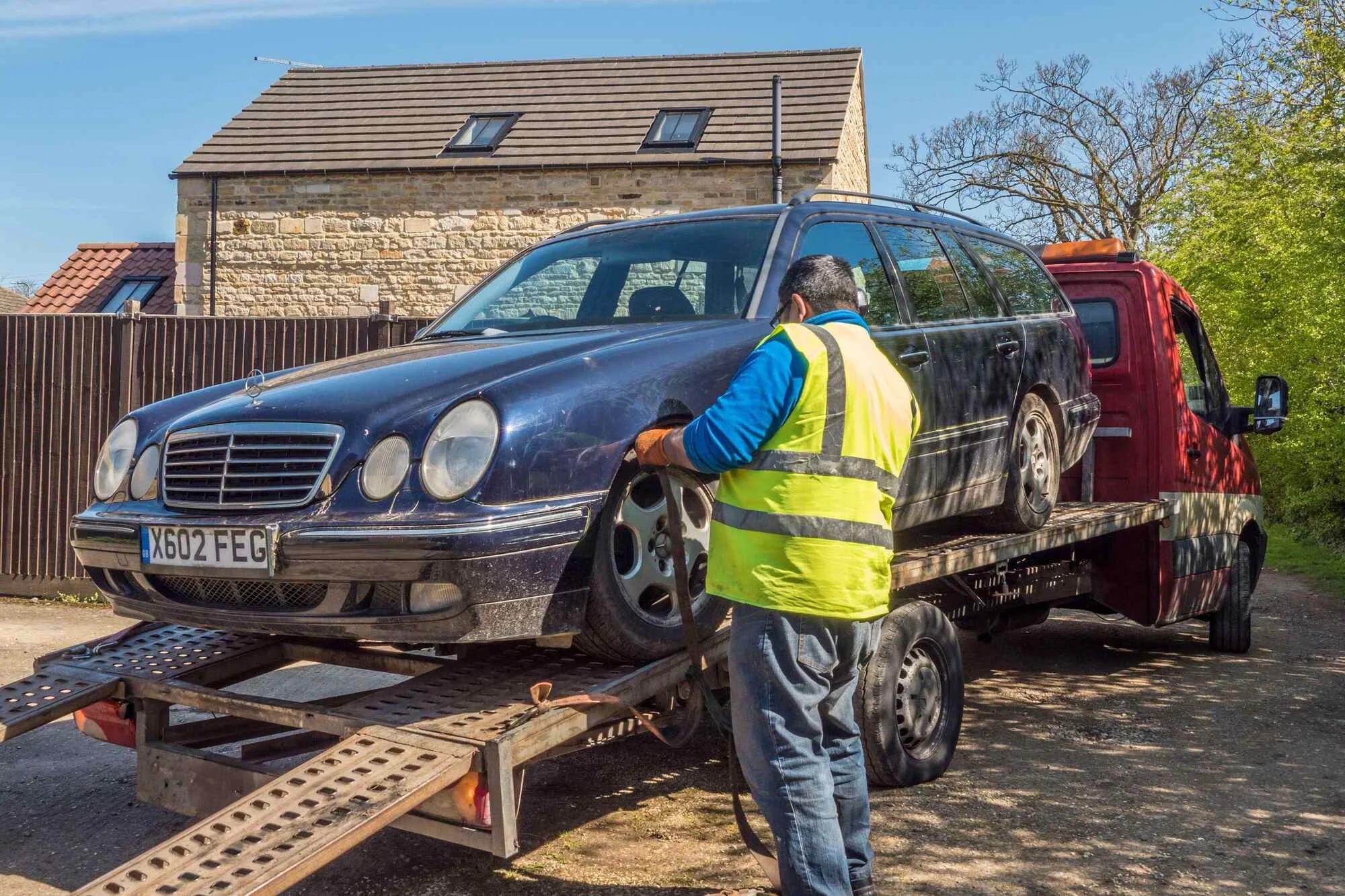
Vehicle impoundment is a legal power used by police and local authorities to remove vehicles from the road in certain situations. In the UK, these powers come from multiple laws. Laws such as the Road Traffic Act 1988, the Police Reform Act 2002, and the Road Traffic Regulation Act 1984. These laws allow authorities to seize vehicles to protect road safety, enforce legal requirements, and prevent anti-social behaviour [1].
Below are some of the most common reasons vehicles get impounded.
1. Driving Without Insurance
One of the most common reasons for vehicle seizure is driving without valid insurance. Under Section 165A of the Road Traffic Act 1988 [2], police can seize a vehicle if they have reasonable grounds to believe it is being driven without the required insurance cover.
Driving uninsured is a serious offence because it exposes other road users to financial risk if an accident occurs. In addition to having the vehicle seized, drivers may receive penalty points and fines.
2. Driving Without a Valid Licence
A vehicle can also be seized if the driver does not hold the correct licence for the vehicle they are driving. Police officers have the authority to request a driver’s licence and can impound the vehicle if they reasonably believe the person is not licensed to drive it.
This includes situations where the driver has never held a licence, has the wrong licence category, or is disqualified from driving.
3. Anti-Social or Dangerous Driving
Vehicles used in anti-social or dangerous ways may also be seized. Under Section 59 of the Police Reform Act 2002, police can remove vehicles involved in behaviour that causes alarm, distress, or annoyance to the public [3].
Examples may include street racing, aggressive driving, performing stunts, or repeatedly using a vehicle in a way that disrupts local communities.
4. Obstruction, Illegal Parking, or Abandonment
Authorities can remove vehicles that are causing an obstruction or have been abandoned. For example, if a vehicle is blocking traffic, parked dangerously, or left unattended for a long period, it may be removed under powers in the Road Traffic Regulation Act 1984 [4].
Local councils also have powers to remove abandoned vehicles to keep roads safe and accessible.
5. Vehicles Involved in Crime or Evidence
Police may impound vehicles that are involved in criminal investigations or road traffic collisions. In some cases, a vehicle must be taken into custody because it could contain evidence relevant to a crime or accident investigation.
Once the investigation is complete, the vehicle may be released back to the owner if it is not required for further proceedings.
6. Tax or Registration Offences
Vehicles that are untaxed, incorrectly registered, or declared off-road but still used on public roads can also be seized. These rules are enforced to ensure vehicles meet legal requirements before being used on UK roads.
In Conclusion
If your vehicle is impounded, you will need to provide proof of identity, ownership, and valid insurance before it can be released from the police compound [5]. Understanding the reasons vehicles are seized can help drivers avoid costly penalties and disruption.
Footnotes
1.Road Traffic Act 1988 Section 165A – UK legislation allowing police to seize vehicles being driven without insurance or a valid licence.
2.West Yorkshire Police – “Vehicles seized under Section 165A Road Traffic Act 1988.”
3.Police Reform Act 2002 Section 59 – Powers allowing police to seize vehicles used in a way that causes alarm, distress, or annoyance.
4.Road Traffic Regulation Act 1984 – Legal powers enabling authorities to remove obstructive or illegally parked vehicles.
5.Cumbria Police – Guidance on recovering seized vehicles and requirements for release.