Choosing the correct type of business van insurance is essential for anyone who uses a van for work. Whether you operate as a courier, run a trade business or manage a fleet of vehicles, you must select a policy type that reflects your day to day activities. Insurers assess risk based on how a van is used, so accuracy is vital if you want reliable protection.
This guide explains the main types of business van insurance in the UK and how they apply to courier services, trade companies and fleet operations.
Business Van Insurance for Courier Drivers
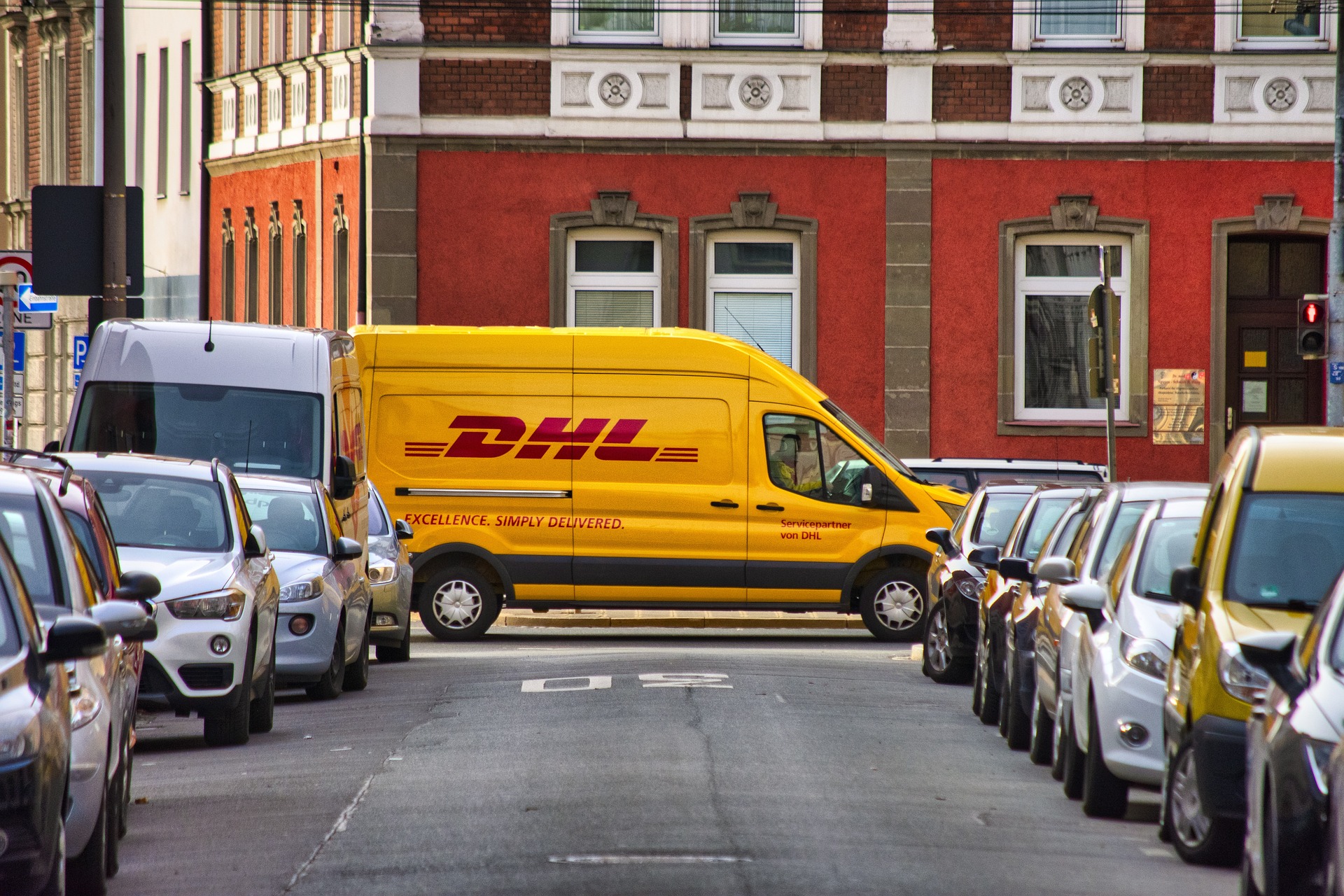
Courier work involves high mileage, frequent stopping, strict time schedules and a constant flow of collections and drop offs. For this type of work, courier drivers require Carriage of Goods for Hire and Reward insurance.
This policy type is suitable for:
-
Self employed couriers
-
Multi drop couriers
-
Parcel couriers
-
Same day courier services
-
Drivers completing platform based courier work
Hire and reward is designed for situations where you are paid to transport goods that do not belong to you. The risk is significantly different from standard business use because courier drivers spend extended hours on the road, make multiple stops and work to precise delivery times. A basic business use policy does not provide suitable protection for this type of work, so couriers should always select hire and reward.
Business Van Insurance for Trades and Building Companies
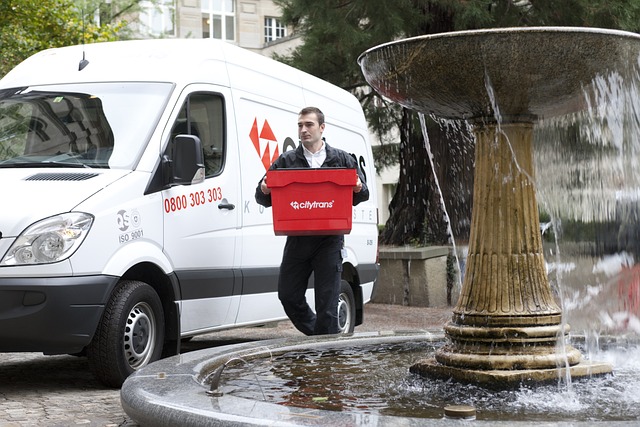
Trade businesses often rely on vans to transport tools, equipment and materials. For this type of working pattern, Carriage of Own Goods is typically the most appropriate form of business van insurance.
This category applies to:
-
Builders
-
Plumbers
-
Electricians
-
Gardeners and landscapers
-
Joiners
-
Mobile repair specialists
Carriage of Own Goods is designed to cover the risks involved when a van carries equipment that is essential for completing jobs throughout the day. Drivers frequently move between several locations, often with a van full of materials or specialist items. These policies can usually be extended with additional cover for tools and equipment if required.
Business Van Insurance for Haulage Operators
Long distance transportation with a single scheduled load falls under Haulage Use. This cover is different from courier insurance because it relates to fewer stops and longer journeys, often between depots or distribution sites.
Haulage insurance suits:
-
Long distance transporters
-
Logistics contractors
-
Scheduled point to point routes
-
Pre arranged delivery agreements
Haulage policies recognise the reduced stop start nature of the work and the focus on motorway or A road driving.
Business Van Insurance for Fleet Operations
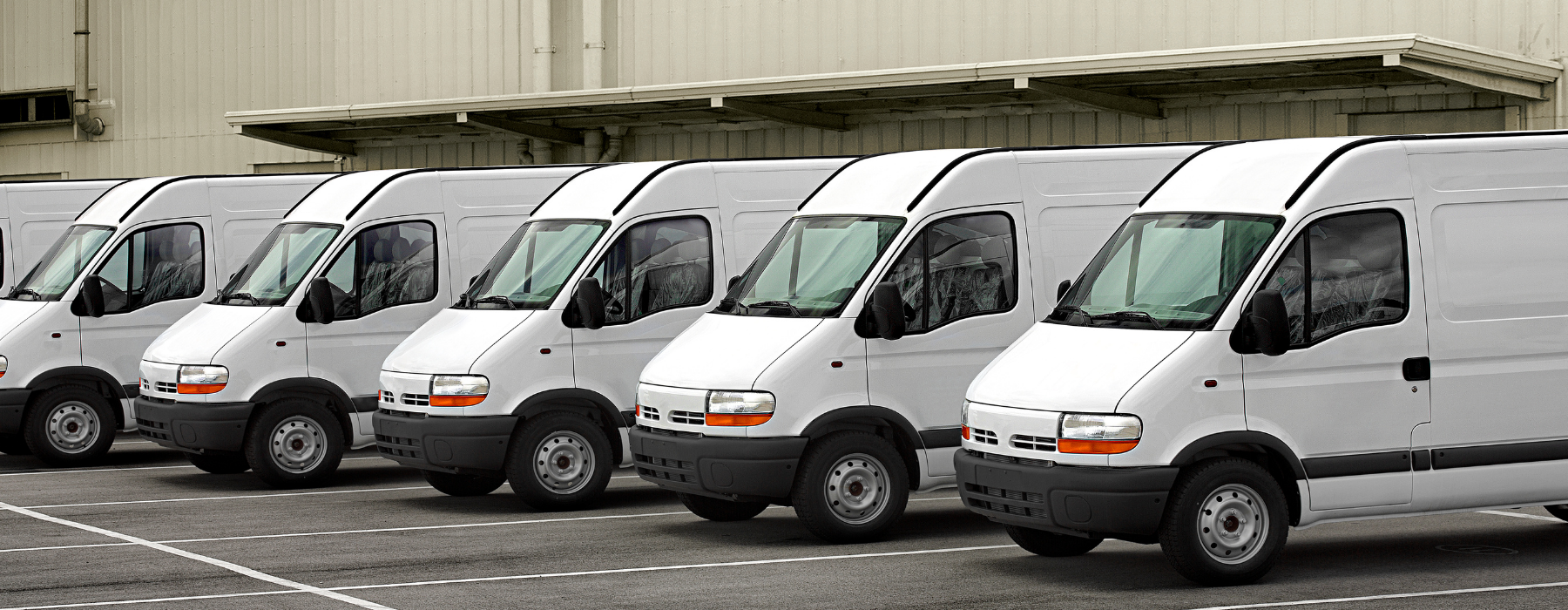
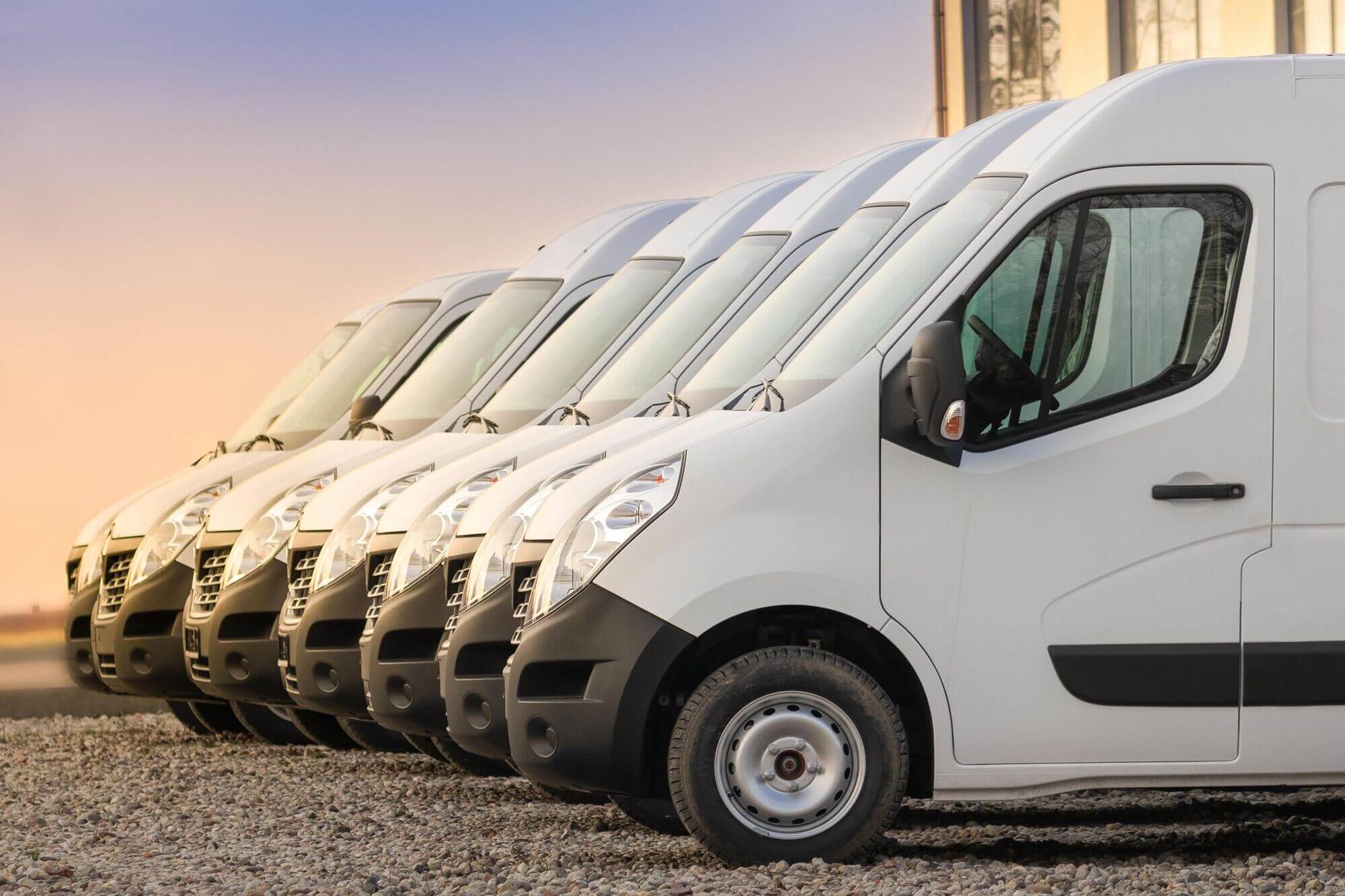
Businesses operating multiple vans can benefit from fleet van insurance, which combines all vehicles into one policy. This simplifies administration and can provide better value compared with insuring each van individually.
Fleet cover is suitable for:
-
Courier businesses with multiple vans
-
Trade companies with several vehicles
-
Logistics and distribution firms
-
Service and maintenance companies
Fleet insurance offers a consistent approach to managing vehicle cover and allows new vans to be added or removed as the business evolves.
Choosing the Right Cover Level
In addition to choosing the correct business use category, businesses must also consider the three standard levels of cover:
Comprehensive
Covers damage to your own van as well as third party vehicles. Often recommended for businesses carrying valuable goods, tools or equipment.
Third Party Fire and Theft
Covers damage to third party vehicles and protects your own van in the event of fire or theft.
Third Party Only
The minimum legal requirement. Covers third party vehicles only.
Selecting the right level depends on your budget, the value of your van and how vital the vehicle is to your business.
Why Accuracy Matters for Business Van Insurance
Misclassifying your van use can invalidate a policy. For example, a courier driving under standard business use, or a builder insured under a haulage policy, risks a declined claim. Insurers need precise information about your working activities to assess risk properly.
Incorrect classification can result in:
-
Refused claims
-
Cancelled policies
-
Increased premiums at renewal
-
Difficulty securing future insurance
Accurate disclosure is essential for staying compliant and protected.
Which Business Van Insurance Type Do You Need
-
Courier work
Choose Carriage of Goods for Hire and Reward -
Trade or building work
Choose Carriage of Own Goods -
Long distance journeys with planned routes
Choose Haulage Use -
Multiple vans under one business
Choose Fleet Van Insurance
Selecting the correct type ensures you have reliable protection aligned with your work.