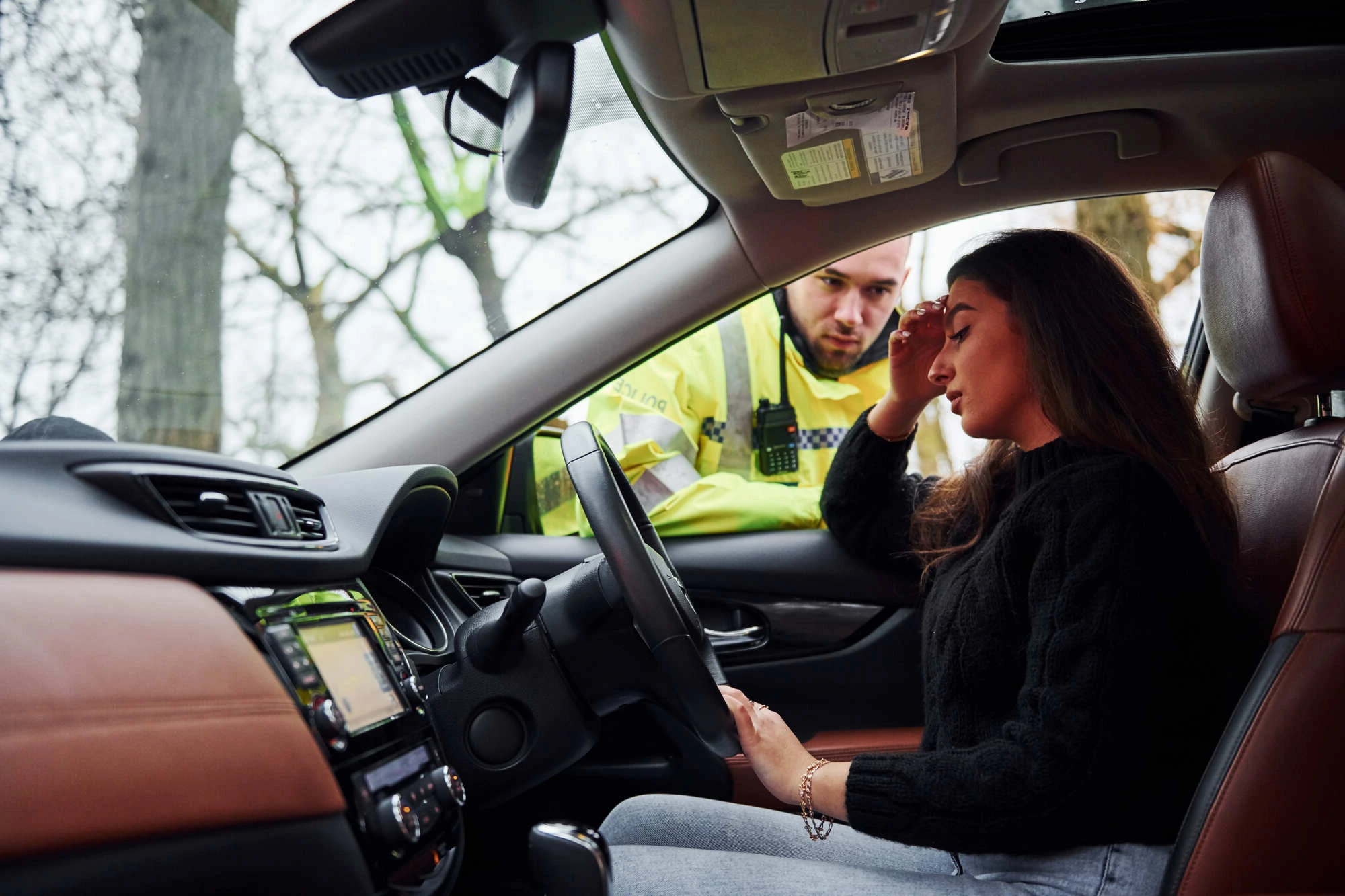
Drug driving offences in the UK are recorded using specific DVLA endorsement codes [1]. These codes matter. Courts use them to record convictions, and insurers use them to assess risk.
There are many drug-related conviction codes that can appear on a licence. Here is what they mean.
DG10 – Driving with a Drug Level Above the Legal Limit
This offence applies when a driver is found with a specified controlled drug above the legal limit in their blood. The UK introduced fixed limits in 2015 for substances such as cannabis and cocaine.
A driver does not need to show visible impairment. Exceeding the prescribed limit alone is enough.
- Minimum 12 month disqualification in most cases
- Offence remains on the licence for 11 years
DG60 – Causing Death by Careless Driving with Drug Level Above the Legal Limit
DG60 applies when you’ve caused a death by careless driving with a drug level above the legal limit.
This offence will stay on your licence for 11 years.
DR70 – Failing to Co-operate With a Preliminary Test
DR70 applies when a person fails to co-operate with a preliminary test.
The distinction is technical but relevant in legal terms. It still indicates suspected drug driving and refusal to cooperate with testing. This offence will remain on your licence for 4 years.
DR80 – Driving or Attempting to Drive When Unfit Through Drugs
DR80 is used when you’re guilty of driving, or attempting to drive, when unfit through drugs. This offence will stay on your licence for 11 years.
DR90 – In Charge of a Vehicle When Unfit Through Drugs
DR90 applies when a person is “in charge” of a vehicle while unfit through drugs, even if they were not actually driving at the time.
“In charge” can include sitting in the driver’s seat with keys present. Courts assess circumstances individually.
This offence will remain on your licence for 4 years.
Why These Codes Matter for Insurance
Insurers do not simply rate “drug driving” as a single category. They look at:
- The specific endorsement code
- Whether it involved active driving or being in charge
- Whether a specimen was refused
- Time since conviction
- Any repeat history
Key Takeaway
Each carries legal penalties and long-term insurance implications. Accurate disclosure of the exact endorsement code is essential when arranging motor insurance after a conviction.
Footnotes