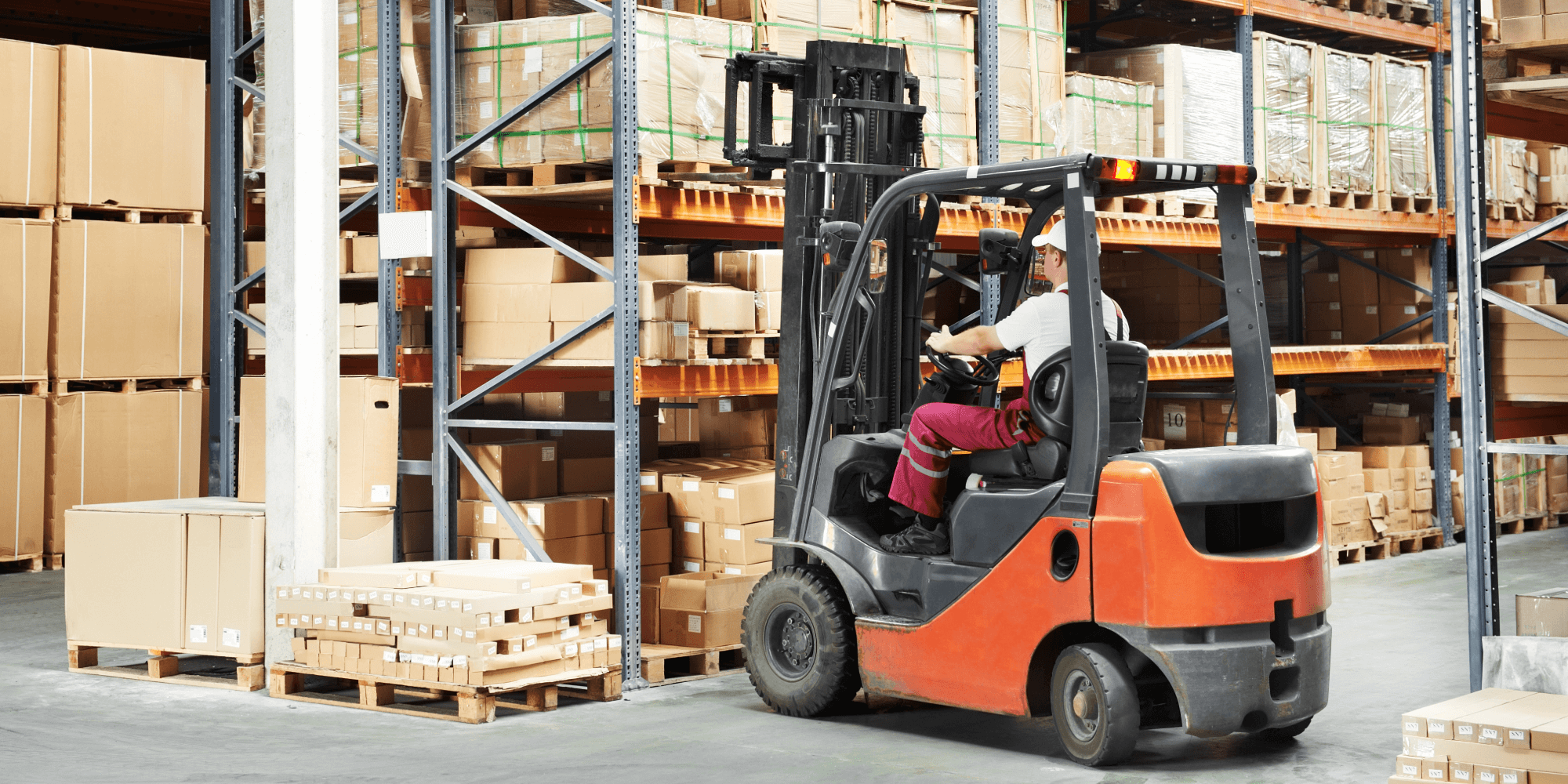
As UK businesses shift toward greener operations, electric forklifts are becoming more popular but does the type of forklift you use affect your insurance policy or premium?
In this blog, we explore the differences between electric and diesel/LPG forklifts, and what insurance providers consider when quoting cover.
Key Differences Between Electric and Diesel Forklifts
| Feature | Electric Forklifts | Diesel/LPG Forklifts |
|---|---|---|
| Emissions | Zero emissions (ideal for indoor use) | Higher emissions (better for outdoor use) |
| Running Costs | Lower (battery charging) | Higher (fuel costs) |
| Maintenance | Fewer moving parts, lower servicing costs | More complex engines |
| Noise/Vibration | Quieter operation | Noisier, more vibration |
| Power/Endurance | Limited by battery life | More powerful, longer continuous use |
These operational differences can influence risk exposure, which insurers factor into your forklift policy.
Does Forklift Type Affect Your Insurance?
Yes — but not always in the way you might think. Here’s how insurers view each type:
1. Electric Forklifts
-
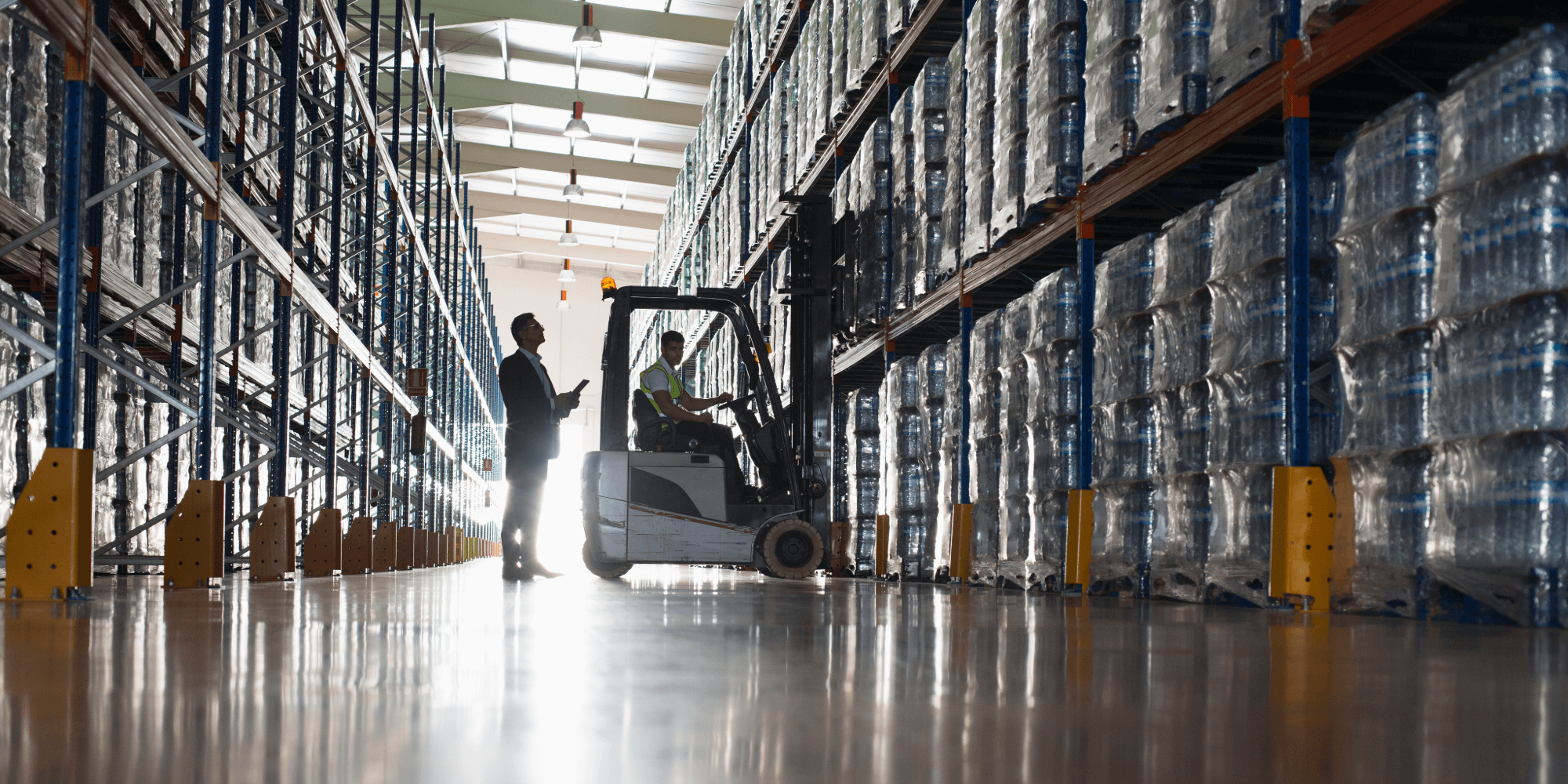
Seen as lower risk for fire and emissions, especially indoors
-
Often used in warehouses with stricter health and safety policies
-
Battery replacement costs may be high, but general maintenance is lower
-
May attract slightly lower premiums in low-risk settings
2. Diesel or LPG Forklifts
-
Greater risk of fuel-related fire or spill damage
-
Typically used outdoors or on uneven terrain
-
Often involved in heavier-duty operations, increasing accident risk
-
Higher exposure to public liability if used on construction or logistics sites
In summary, usage context matters more than fuel type, but electric forklifts may offer a slight edge in insurance pricing for controlled environments.
What Factors Influence Forklift Insurance Premiums?
Regardless of power type, insurers will assess:
-
Machine value (electric forklifts are often more expensive upfront)
-
Operating environment (indoor vs outdoor, private vs public access)
-
Number of forklifts and operators
-
Security measures on-site
-
Claims history and business type
Be sure to declare whether your forklifts are electric, diesel, or LPG when seeking cover and how they’re used day to day.
Can Switching to Electric Lower Your Premium?
In some cases, yes. Especially if:
-
You’re operating indoors in a low-traffic environment
-
You’ve implemented robust safety and charging protocols
-
Your electric forklifts are newer, with fewer maintenance issues
But if you’re using high-powered electric forklifts for outdoor or high-risk operations, the difference may be minimal.
Final Thoughts
Whether you’re using electric or diesel forklifts, the best way to keep insurance costs low is to ensure safe operations, proper maintenance, and accurate policy details. Electric forklifts may offer an advantage in specific settings, but all forklifts need reliable, tailored insurance.