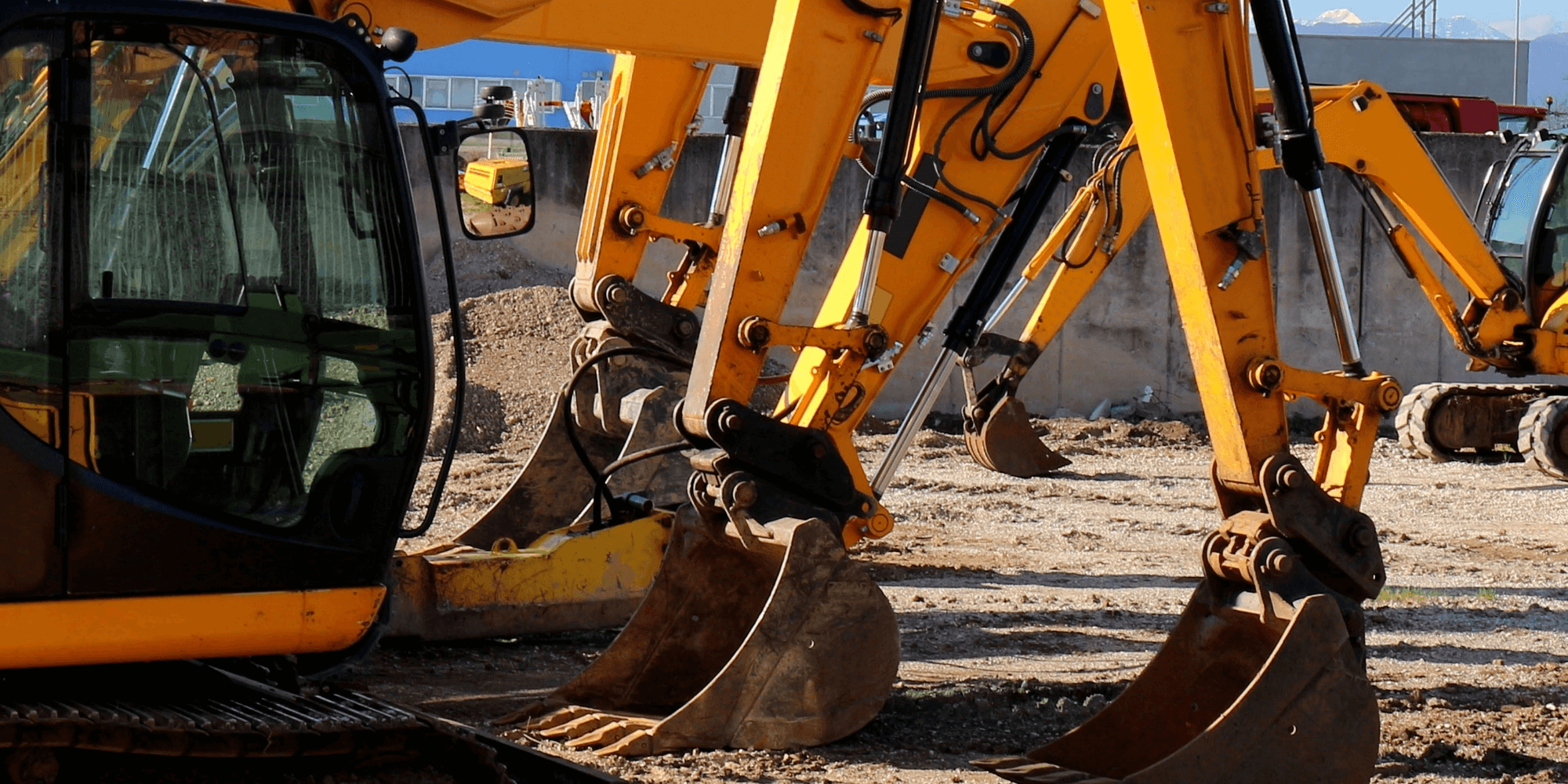
Whether you operate a single excavator or manage a fleet of machines across multiple sites, Plant & Machinery Insurance is vital for protecting your business. But do you know what kinds of claims are most common, and how to prevent them?
Understanding where things often go wrong can help you avoid unnecessary downtime, rejected claims, and rising premiums. Here are five of the most frequent plant insurance claims made by UK contractors, and what you can do to reduce the risk.
1. Theft from Site or Yard
What happens:
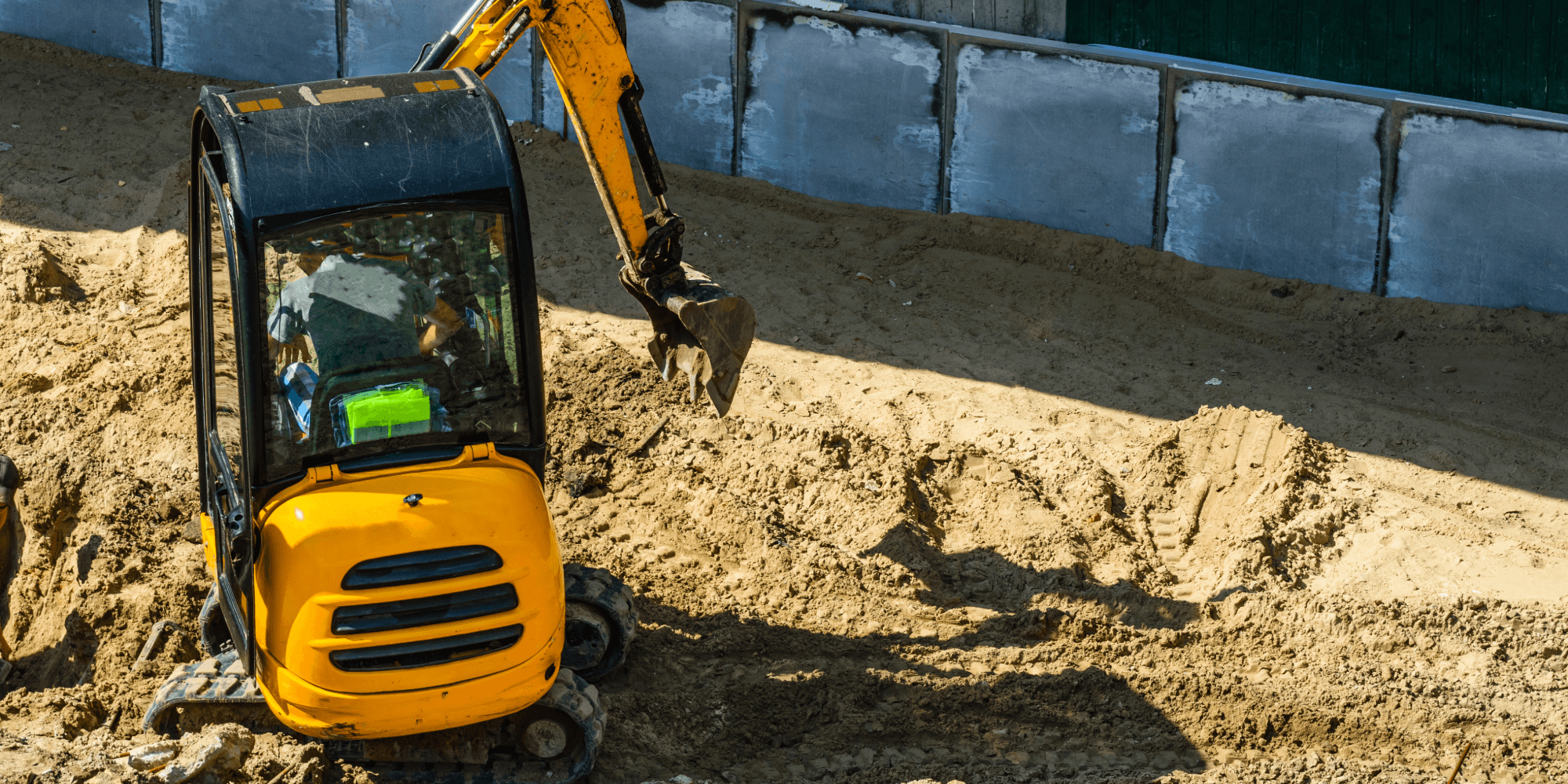
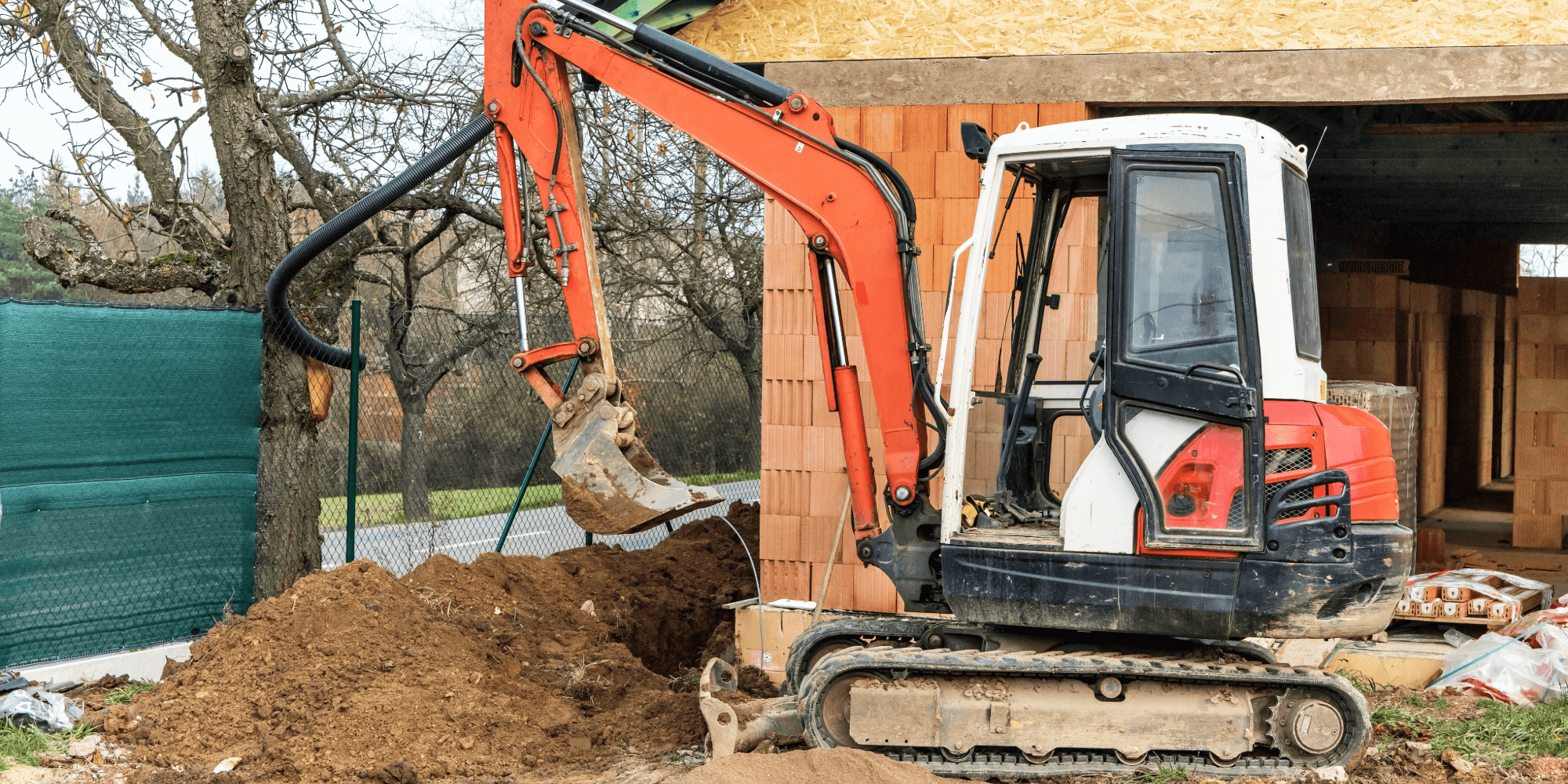
Unattended machinery like diggers, dumpers, or telehandlers is often targeted by thieves, especially overnight or on unsecured sites. Compact equipment (like mini diggers) is particularly vulnerable due to its portability.
How to reduce the risk:
-
Invest in immobilisers, trackers and site CCTV
-
Fence off the area and lock machines securely
-
Keep hire agreements and serial numbers documented
-
Notify your insurer if a site is high-risk or remote
2. Accidental Damage During Operation
What happens:
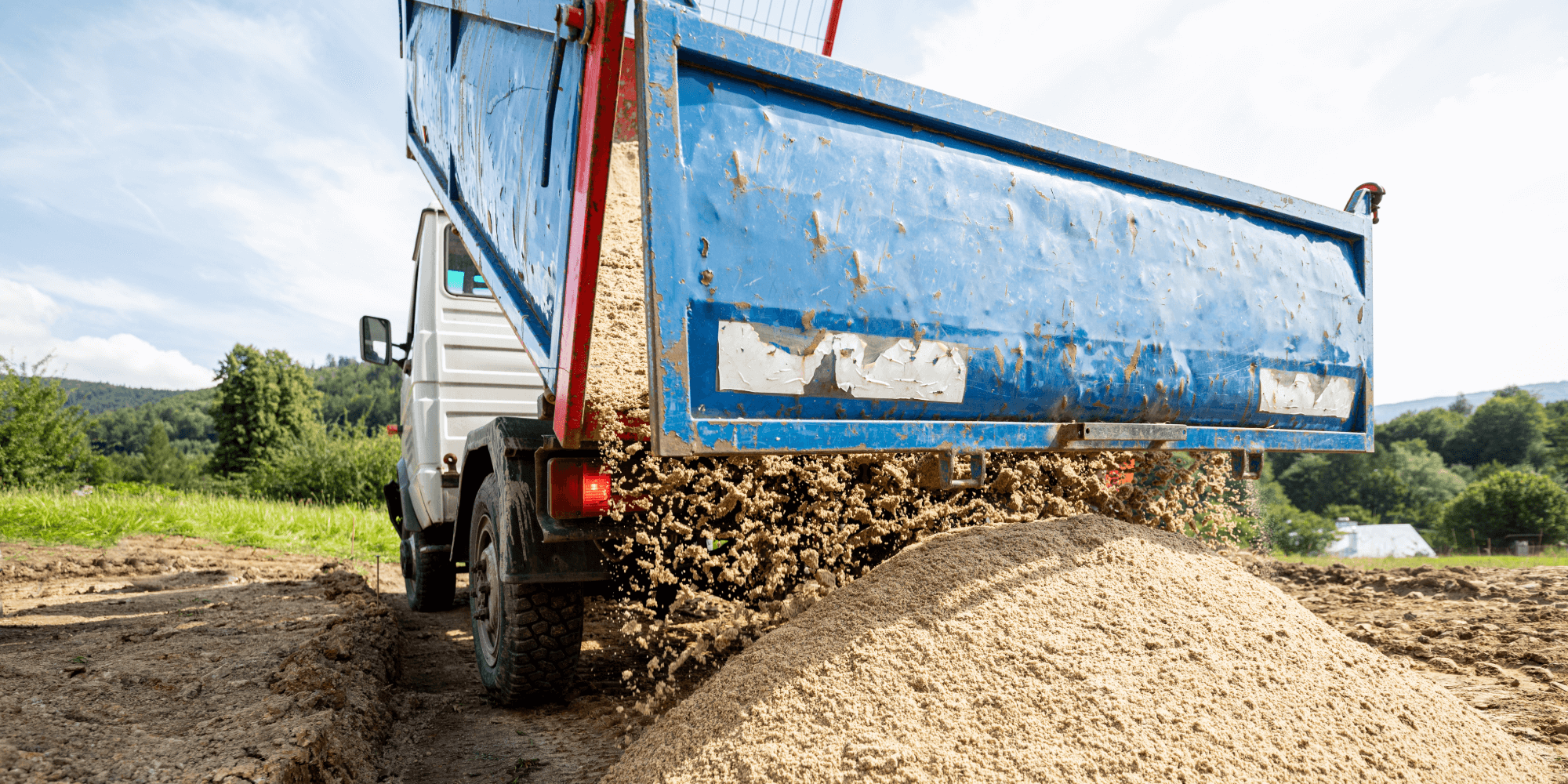
A crane tips, a dumper hits a parked vehicle, or a digger accidentally strikes underground services. Operator error or lack of visibility often plays a role in on-site accidents.
How to reduce the risk:
-
Provide proper operator training and site induction
-
Use banksmen or spotters when operating large machinery
-
Mark hazards clearly and update site maps regularly
3. Fire or Flood Damage
What happens:
Stored plant is destroyed in a fire, or extreme weather causes flooding that renders machines inoperable. Environmental damage is one of the most costly causes of claim.
How to reduce the risk:
-
Avoid storing plant near flammable materials
-
Use elevated storage where possible in flood-prone zones
-
Ensure fire extinguishers and emergency plans are in place
-
Add comprehensive perils cover to your policy
4. Damage in Transit
What happens:
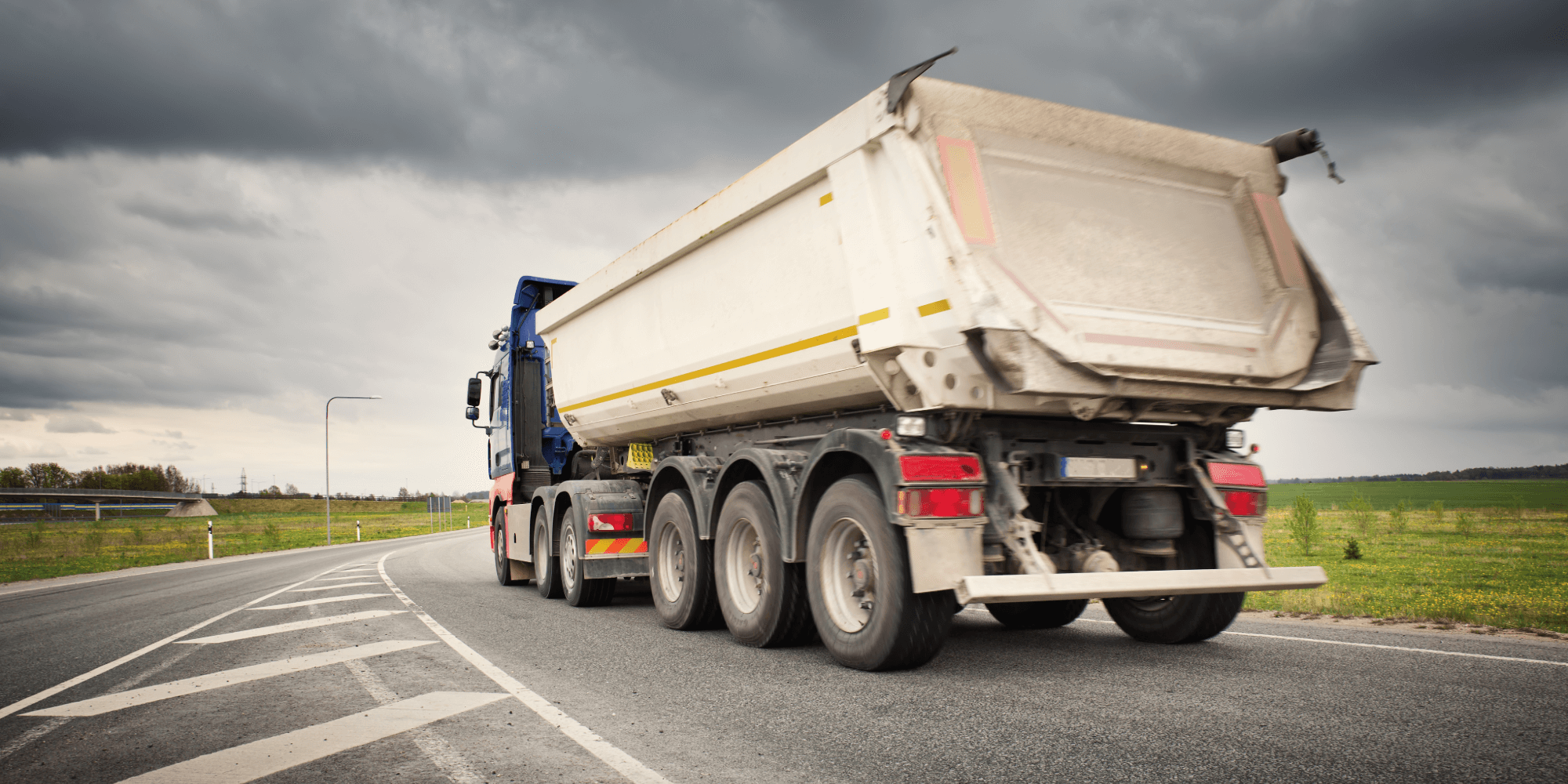
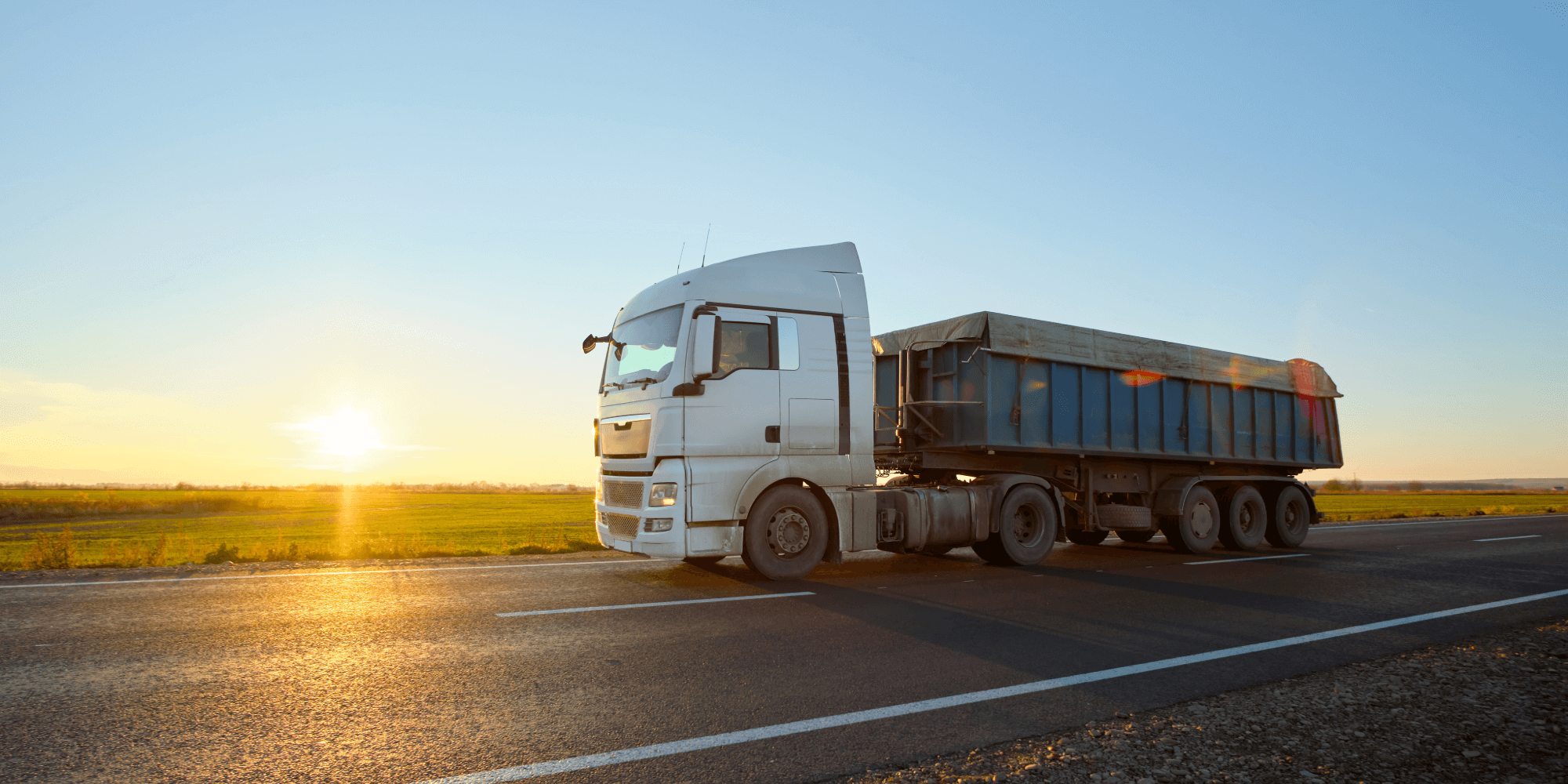
Plant is damaged while being hauled between job sites. Insecure loading or road accidents are frequent culprits, especially with larger, trailer-loaded equipment.
How to reduce the risk:
-
Use trained drivers and proper tie-down procedures
-
Check trailer capacity and axle weights
-
Add transit cover to your policy if not already included
5. Claims Rejected Due to Incorrect Cover
What happens:
A business hires in machinery but doesn’t have hired-in plant insurance, or assumes public liability is included when it’s not. Claims are declined, leaving the contractor liable.
How to reduce the risk:
-
Review your cover regularly with a broker
-
Always match the insurance to how the plant is acquired (owned vs hired)
-
Don’t rely solely on hire company cover, it may be limited or overpriced
-
Ask about liability and legal expense cover if you’re not sure
Final Thoughts
The cost of downtime, hire penalties, and unexpected legal claims can be far higher than the insurance premium itself. By understanding common claim types and strengthening your risk management, you’ll not only protect your assets, you may also unlock cheaper premiums over time.