

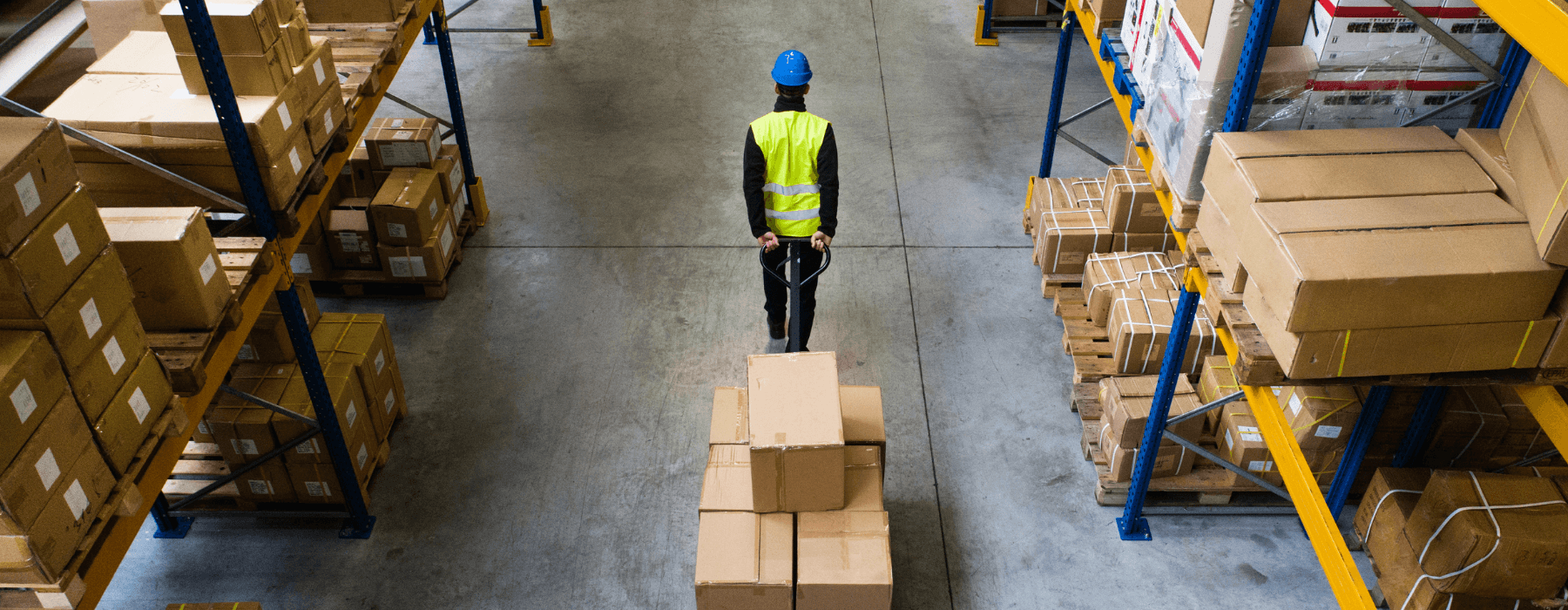


Warehouse
Top 5 Risks Facing UK Warehouses And How Insurance Protects You
 25 September 2025
 7 min read
Warehouses are vital to the UK supply chain, storing and moving goods for retailers, manufacturers and logistics firms. But with valuable stock, busy staff and complex systems, they face serious risks every day. A single fire, theft or machinery breakdown can stop operations and create huge losses. This is why Warehouse Insurance is essential for any business running a storage or distribution site.
1. Fire and Flood Damage to Buildings and Stock
Fires and floods remain two of the biggest threats to UK warehouses. A single blaze can destroy thousands of pounds of stock and damage expensive racking or equipment. Flooding is also a growing risk due to changing weather patterns.
Warehouse Insurance with property and contents cover pays to repair buildings, replace lost goods and restart operations quickly. Adding business interruption cover ensures income continues while repairs take place.
2. Theft and Vandalism
Warehouses often hold high-value goods, making them attractive to thieves. Break-ins or vandalism can lead to big stock losses, delays and angry customers.
Tailored Warehouse Insurance includes theft protection and can cover security equipment such as alarms and CCTV. Some policies even include protection for goods in transit between sites.
3. Equipment and Machinery Breakdown
Forklifts, conveyors, pallet wrappers and IT systems keep warehouses running smoothly. If these fail, work stops and deadlines are missed.
Specialist Warehouse Insurance can cover the repair or replacement of vital equipment. It can also include business interruption so lost income during downtime is protected.
4. Staff Accidents and Injuries
Warehouses are busy, physical environments. Staff work with forklifts, ladders and heavy loads. Slips, trips and manual handling injuries are common.
UK law requires employers’ liability insurance for any business with employees. Including this within Warehouse Insurance protects against compensation claims and ensures compliance with regulations.
5. Supply Chain Disruption
Many warehouses depend on steady deliveries and transport networks. Strikes, supplier failure or shipping delays can quickly disrupt cash flow.
Some Warehouse Insurance policies include supply chain protection, covering financial losses caused by events outside your control. This helps businesses recover faster when disruptions hit.
Other Covers to Consider
Public liability – protects against claims if visitors or contractors are injured on-site.
Goods in transit – protects stock while it moves between locations.
Cyber insurance – useful for warehouses using automated systems and digital inventory tracking.
How to Choose the Right Warehouse Insurance
Every warehouse is different. A fulfilment centre shipping consumer goods faces different risks to a cold-storage facility handling perishables. When arranging Warehouse Insurance, review:
The total value of goods stored
The type of products (fragile, high-value or perishable)
Machinery and systems critical to operations
Number of employees and safety measures in place
How dependent the business is on key suppliers
A specialist broker can help select the right policy and avoid costly gaps.
Strengthening Your Warehouse Against Everyday Risks
Warehouses keep UK businesses moving, but risks are always present. From fire and theft to supply chain disruption, the right Warehouse Insurance can protect income, staff and stock. By tailoring cover to your operation, you reduce financial shocks and keep goods flowing even when problems strike.


Related Articles

Working at Height, Risk on the Ground: Why Roofers and Scaffolders Need the Right Insurance
Roofing and scaffolding are trades where physical risk is part of the job. From unstable ladders to falling tools, the nature of working at height presents more hazards than many other professions. In these trades, one incident could lead to an expensive claim, business interruption or injury. Specialist roofer insurance can help protect against the financial consequences of these risks.


From Side Hustles to Full-Time Freelancers: Why Self-Employed Insurance Matters
Self-employed business insurance is often overlooked by freelancers, contractors, and side hustle owners. Whether running a part-time venture or working as a full-time sole trader, insurance could help protect against unexpected financial risks that may otherwise threaten both business and personal finances.

Self-Employed Insurance Checklist: Essential Covers You Shouldn’t Overlook
Self-employed business insurance can provide vital financial protection for sole traders, freelancers, and consultants across the UK. Whether working from home, visiting clients, or running a mobile service, risks such as accidents, theft, or claims against your work could carry serious consequences.


