

Tattoo & Piercing Studio
Real Claims from UK Tattoo Studios (and What They Forgot to Insure)
 5 August 2025
 5 min read
Running a tattoo or piercing studio takes more than ink and skill. Behind every appointment is a set of risks that many professionals overlook. When something goes wrong, the absence of the right tattoo and piercing insurance could leave studio owners exposed to serious financial loss.
Common Risks Faced by Tattoo and Piercing Studios
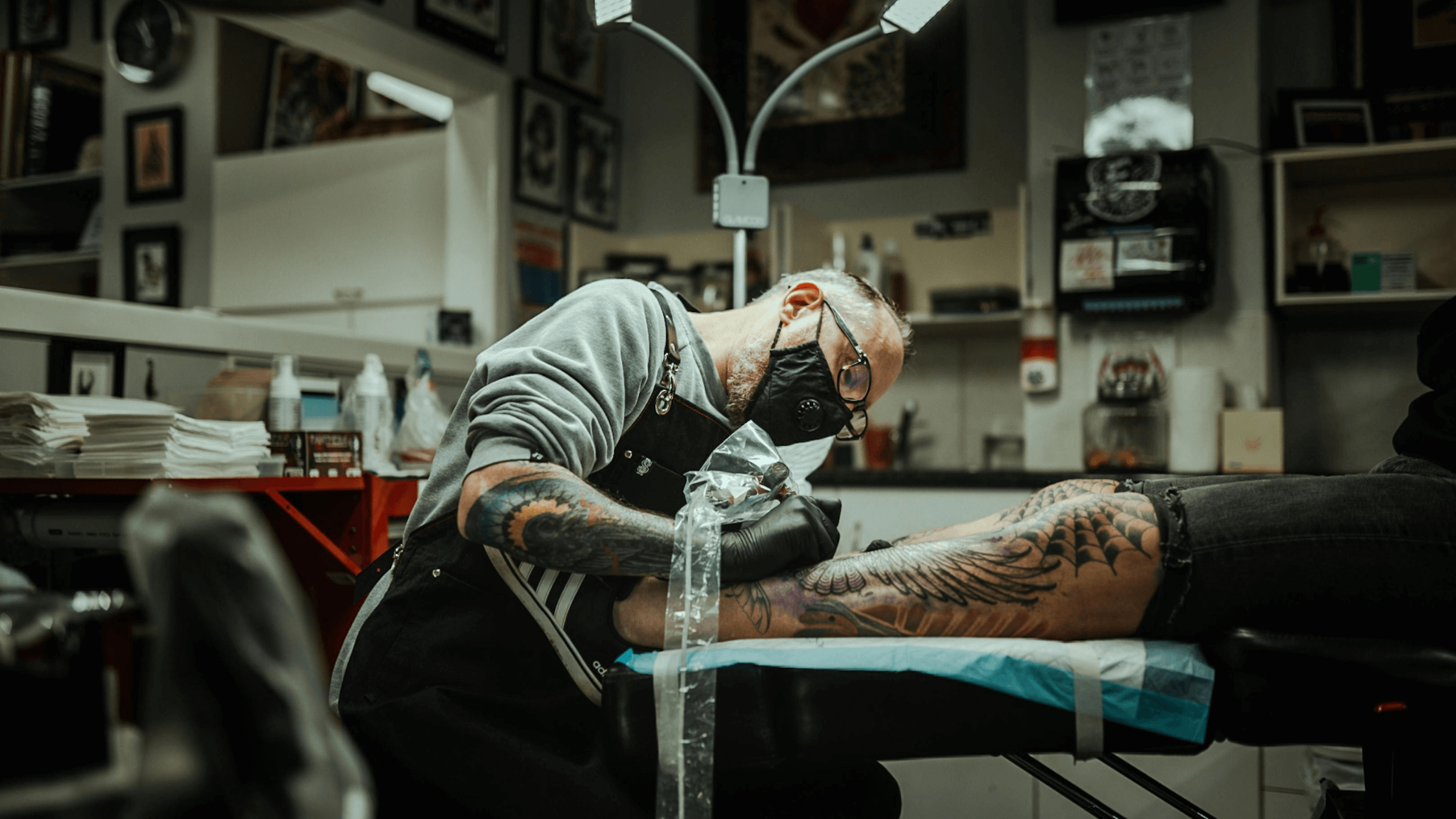
Tattooing and body piercing involve intimate procedures that carry hygiene, safety, and legal risks. Even when you operate to the highest standard, a reaction to ink or metal could lead to a compensation claim. Clients have brought legal action for scarring, infections, and even miscommunication over design work.
We help tattoo professionals find cover that reflects their daily exposure. It is not just about liability. Many claims relate to issues studio owners never thought to protect.
What UK Studios Have Faced in Real Claims
1. Missed Treatment Risk Cover
One UK studio faced a £7,000 claim after a client developed an allergic reaction to red ink. Their policy included public liability, but not treatment risk insurance, which is often needed to cover claims linked to the procedure itself.
2. Equipment Theft Without Cover
A mobile tattooist left a full kit in a locked vehicle overnight. It was stolen. The artist assumed equipment was covered under business insurance, but there was no tool or equipment cover in place. They replaced the setup themselves, costing nearly £5,000.
3. Needle Stick Injury to Staff
A part-time piercer was injured while setting up. The employer had no employers’ liability insurance, believing it was only needed for full-time workers. The resulting claim included medical costs and loss of earnings.
4. Fire Damage Without Interruption Cover
One studio suffered smoke damage after a fire in a neighbouring unit. Their contents insurance covered furniture, but without business interruption insurance, they lost income for three weeks while refitting the space.
Essential Insurance Covers Tattoo Studios Might Need
Not every tattoo or piercing studio needs the same setup, but common policies could include:
Public Liability Insurance
This may support you in defending or settling claims from clients injured in your premises.
Treatment Risk Insurance
Some general policies exclude procedures. This cover could apply if a client experiences a reaction or infection.
Employers’ Liability Insurance
A legal requirement for most employers, even if staff work part-time or freelance.
Tools and Equipment Insurance
Cover for tattoo machines, sterilising kits, and furniture, especially important for mobile artists.
Business Interruption Insurance
This could offer protection if your studio cannot trade due to an insured event such as a fire or flood.
Studios of All Sizes Could Be at Risk
Even if you operate a small studio, or rent a single chair, you are not exempt from claims. We help new and experienced artists understand what level of tattoo studio insurance might be appropriate for their working arrangement.
Assumptions can be costly. Aesthetic professionals in similar sectors have seen claims for skin reactions, client dissatisfaction, and even floor slip hazards. Tattoo studios face all these, along with specialist risks tied to body modification procedures.
Why It Helps to Review Your Cover Carefully
Off-the-shelf insurance can miss critical elements. If your current policy does not specifically list procedures like microdermal piercing or UV tattoo ink, it might not cover related claims. We help ensure that exclusions and policy limits are clearly understood before anything happens.
Tattoo insurance is not just a regulatory step. It can be one of the most important financial protections for your business.


Related Articles

Working at Height, Risk on the Ground: Why Roofers and Scaffolders Need the Right Insurance
Roofing and scaffolding are trades where physical risk is part of the job. From unstable ladders to falling tools, the nature of working at height presents more hazards than many other professions. In these trades, one incident could lead to an expensive claim, business interruption or injury. Specialist roofer insurance can help protect against the financial consequences of these risks.


From Side Hustles to Full-Time Freelancers: Why Self-Employed Insurance Matters
Self-employed business insurance is often overlooked by freelancers, contractors, and side hustle owners. Whether running a part-time venture or working as a full-time sole trader, insurance could help protect against unexpected financial risks that may otherwise threaten both business and personal finances.

Self-Employed Insurance Checklist: Essential Covers You Shouldn’t Overlook
Self-employed business insurance can provide vital financial protection for sole traders, freelancers, and consultants across the UK. Whether working from home, visiting clients, or running a mobile service, risks such as accidents, theft, or claims against your work could carry serious consequences.